
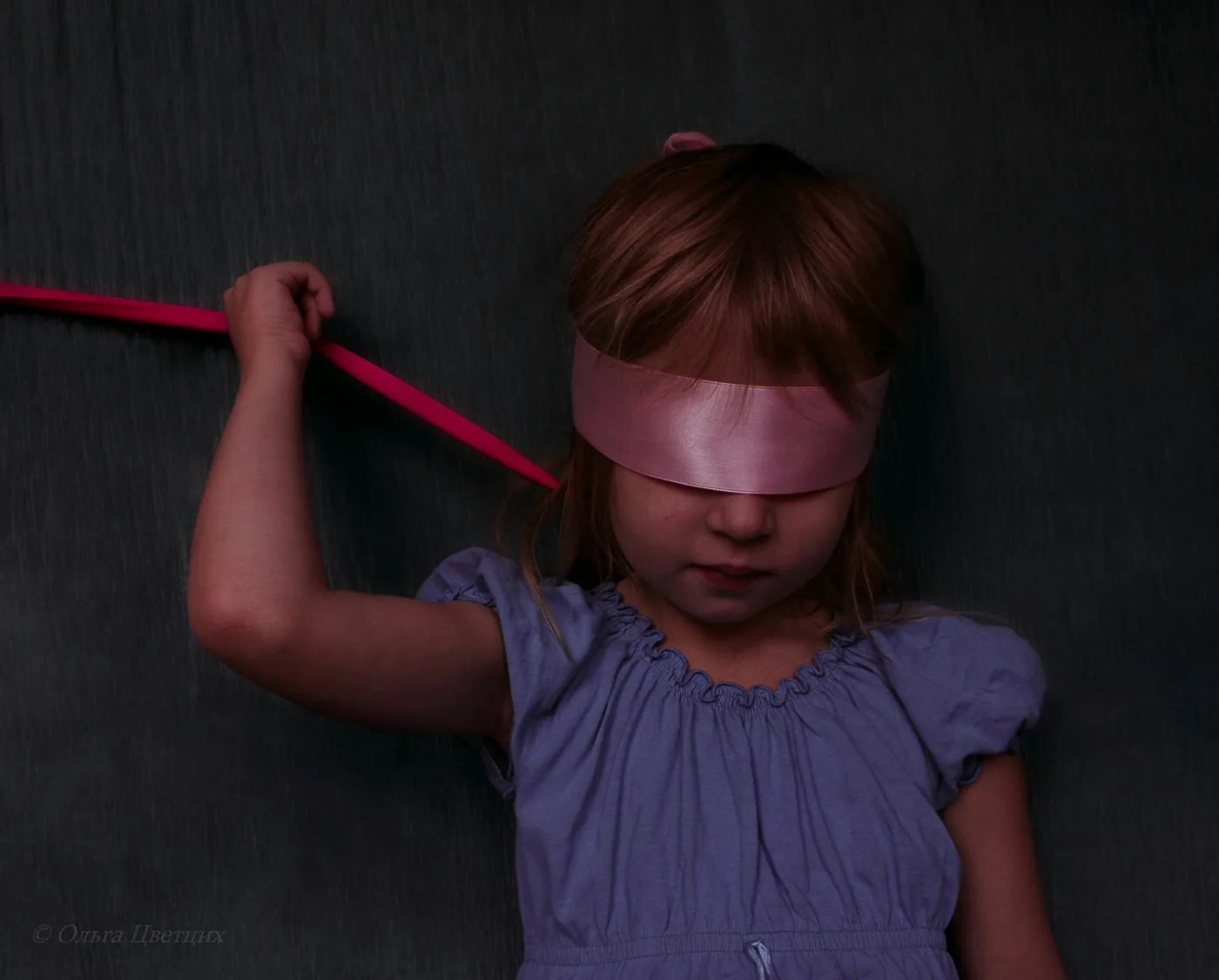
How I work with this
In working with neurological and mental disorders of childhood, I draw on a deep understanding of personality development. Through the lens of schema therapy, we identify the child's early maladaptive beliefs about themselves and the world (schemas), such as a sense of abandonment or vulnerability to danger. These beliefs often underlie compulsive actions that act as defense mechanisms against experiencing emotional pain (avoidance coping strategies).
The TFP methodology allows us to explore how the child perceives themselves and others, particularly the therapist (transference analysis). We work to connect the fragmented parts of their experience into an integrated whole (identity integration). If the symptom is of a neurotic nature (neurotic personality structure), we focus on resolving the hidden conflict between desires and prohibitions. When the emotional rollercoasters are more intense, we work on the capacity to tolerate diverse, sometimes contradictory feelings without self-destructing (work with splitting and borderline personality organization, or BPO), turning impulsive motor discharges into meaningful words.
Do you recognise yourself?
- ✓ your child suddenly started stuttering or repeating certain syllables when anxious
- ✓ you regularly notice compulsive biting of lips or cheeks to blood
- ✓ the child constantly twists or pulls out their hair
- ✓ uncontrolled movements of the face or body (tics) have appeared
- ✓ the child systematically refuses food or demonstrates extreme anxiety about the eating process
- ✓ you encounter manifestations of compulsive childhood masturbation as a way to calm down
- ✓ ordinary persuasion or requests to stop doing this do not work and only increase anxiety
- ✓ you feel your own helplessness and guilt for the psychological state of your child
If you recognised 3+ points — it is a good reason to talk to a psychologist.
Approach & Methodology
When words cannot contain internal pain or anxiety, the body takes the blow. Various compulsive actions, motor and vocal tics, stuttering, or eating disorders in children are not simply "bad habits" but rather a way for the psyche to cope with intolerable tension. From a psychoanalytic perspective, such tics often indicate a deep internal conflict or an inability to express complex feelings, such as anger or fear of losing connection with loved ones. Physical symptoms become a container for emotions that the child's psyche is not yet capable of processing due to its fragility or experienced stress.
My work consists in deciphering this unconscious message. We explore the child's early relationship experiences with the most important adults (primary objects). Together with the family, we create a safe space where the child or adolescent will no longer need to use their body or stereotypical movements to discharge tension. Through therapy, child feelings gain the right to exist, legalization, and comprehension, and the symptom, having lost its protective function, gradually fades away.
Questions & Answers
Is it possible to cure tics or compulsive movements simply by strictly forbidding the child to do them?
No, a direct prohibition only increases internal tension. A symptom is the tip of the iceberg, indicating deep anxiety. By focusing exclusively on the movement and shaming the child for it, we drive the emotional pain deeper, which can lead to the emergence of new, even more complex bodily reactions.
Do parents need therapeutic support if the disorders are only evident in the child?
Yes, this is highly desirable. The child's psyche is deeply rooted in the emotional state of significant adults. Parents' understanding of their own unconscious reactions helps to change the family atmosphere, which is the main foundation for the stable disappearance of the child's symptoms.
Why did my child start self-harming by biting their lips or pulling out their hair?
This is seen as an attempt to translate unbearable psychological pain into physical pain, which seems more understandable and controllable (autoaggression). It can also be a way to distract attention from anxiety that the child's psyche cannot yet process in any other way.
How exactly does schema therapy help with eating disorders in childhood?
Refusal to eat or excessive fixation on it are often associated with an internal sense of danger or an attempt to gain some semblance of control over one's life. Schema therapy helps identify these deficits in emotional needs (working with the Vulnerable Child mode), teaching the child and their family healthier ways to achieve a sense of safety and autonomy.
Process
How the work unfolds
Initial contact
Write in the messenger or leave a request on the site. Do not look for the right words — I will help you carefully start our journey and we will choose a convenient meeting time.
First consultation
A safe space for acquaintance, where you will feel if my approach suits you. This meeting does not oblige you to anything and only helps determine the next steps.
Regular therapy
Meetings are held 1-2 times a week for 50 minutes, online or face-to-face. A stable schedule is necessary for deep transformation and the development of your internal supports.
Payment and booking
The session fee is 50 USD (in hryvnias). Please read the Public Offer. The time is finally reserved and confirmed after payment.
Contact
Book a consultation
I reply on weekdays. If you are in crisis — call me directly.
Or write directly